

Uganda’s premier tourism showcase, the Pearl of Africa Tourism Expo 2026, has wrapped up in spectacular fashion, blending business networking with vibrant cultural expression as the country positions itself for greater global visibility.
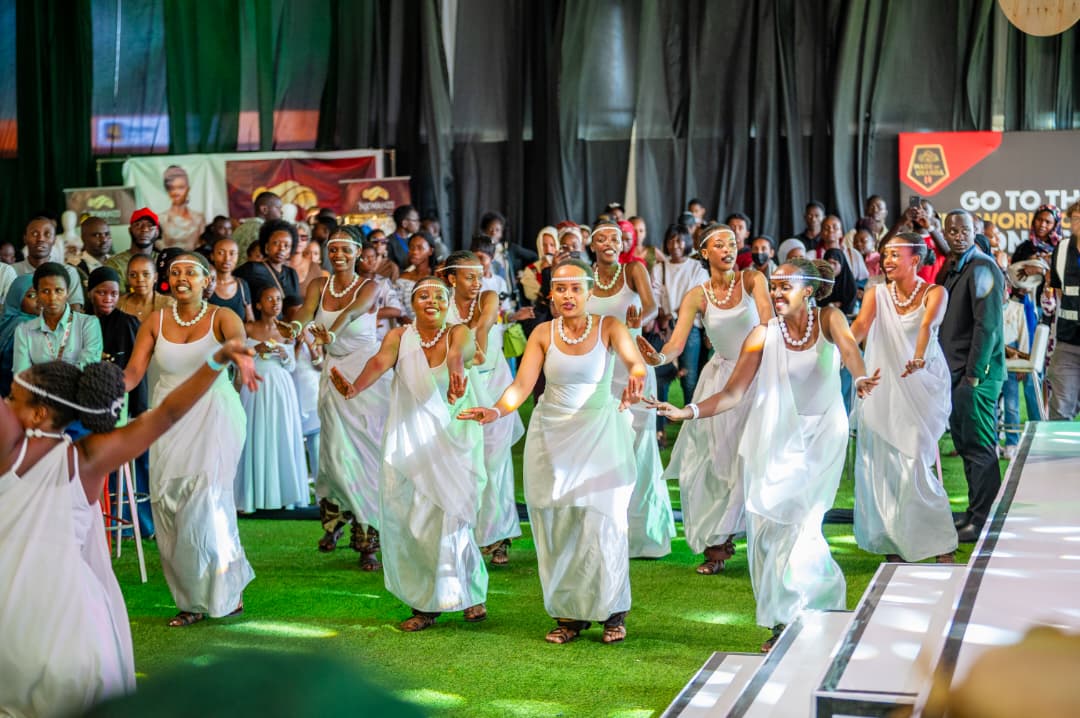
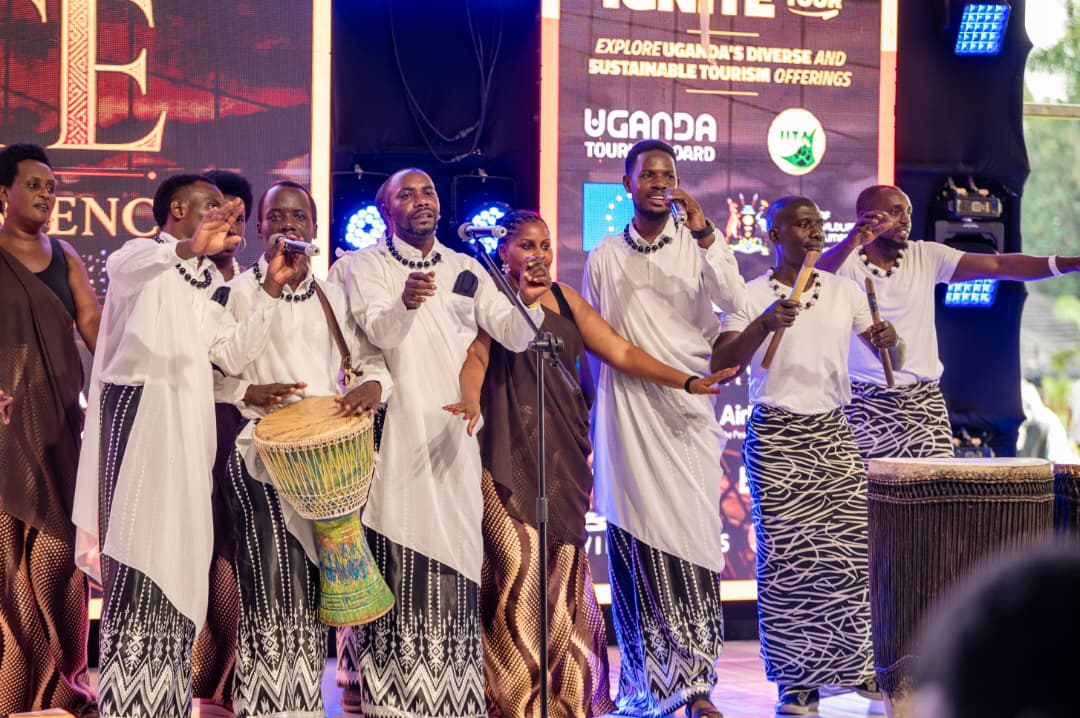
The final day of the expo was marked by dance, pomp and fashion, drawing crowds into an immersive experience celebrating Uganda’s rich cultural heritage alongside its growing tourism potential.
Beyond the spectacle, the 10th edition of the expo also delivered significant business outcomes.
More than 2,000 participants attended the three-day event, with nearly 400 exhibitors and close to 300 trade visitors participating in business-to-business engagements aimed at driving investment, partnerships and tourism growth.
Chief Executive Officer of the Uganda Tourism Board, Juliana Kagwa, described the event as the most successful edition yet.
“We thought we would do a lot of business and commerce, but our expectations have been exceeded,” Kagwa said.
“People have been here doing business since day one—and honestly, we are overwhelmed.”
Day three of the expo shifted attention from boardroom meetings to experiential tourism, featuring live music, street food, poetry, fashion showcases and cultural performances.
The approach reflects Uganda’s growing strategy to market itself not only as a travel destination, but as a complete cultural and lifestyle experience.
Kagwa said experiential tourism is increasingly becoming critical in attracting modern travellers seeking authentic experiences.
“We have stimulated curiosity and whetted the appetite of our visitors. What they’ve seen here is just a sample—but we are confident they will come back in numbers,” she said.
A major highlight of the closing day was the flagging off of members of the Uganda Bikers Association, who are set to embark on a month-long promotional tour across Europe under the “Explore Uganda” campaign.
Supported by the Uganda Tourism Board, the initiative will see 20 bikers travel through seven European countries while promoting Uganda’s tourism attractions and cultural identity.
“As you ride through Europe, take our story with you,” Kagwa told the bikers.
“We want you to come back with double or even triple the number of visitors.”
Vice President of the Uganda Bikers Association, Otoa, described the campaign as both a passion-driven adventure and a strategic tourism mission.
“We are going to seven countries with 20 bikers, flying Uganda’s flag and telling our story,” he said.
“Riding is our passion—but selling Uganda to the world is our mission.”
Despite the success of the expo, tourism stakeholders acknowledged that several challenges continue to affect the sector’s growth potential.
Executive Director of the Uganda Hotel Owners Association, Jean Byamugisha, cited perception challenges and infrastructure gaps among the major concerns facing the industry.
“The biggest gap right now is perception. Uganda is safe, but the message going out there is different,” she said.
Byamugisha also stressed the need to diversify tourism products beyond traditional attractions such as gorilla trekking.
“Uganda is not just about the gorillas. We need to grow culinary tourism, biking tourism, religious tourism—these are still underdeveloped,” she said.
Traffic congestion, transport infrastructure limitations and the need for stronger private sector support were also highlighted as areas requiring urgent attention.
Kagwa acknowledged that while Uganda’s marketing efforts are yielding results, policy reforms and accessibility improvements must now match the country’s tourism ambitions.
“When we talk about increasing arrivals, we must fix accessibility—visa policies and frameworks are key,” she said.
Uganda recorded about 1.6 million tourist arrivals last year, representing a 19.7 percent growth rate, with the country now targeting five million visitors annually by 2030.
As POATE 2026 comes to a close, attention now shifts from exhibitions to implementation, with stakeholders hoping the partnerships and ideas generated during the expo will translate into increased tourist arrivals and investment opportunities.
For Uganda, the message from this year’s expo was unmistakable: while the celebrations may be over, the journey toward becoming a top global tourism destination is only beginning.
